About Me
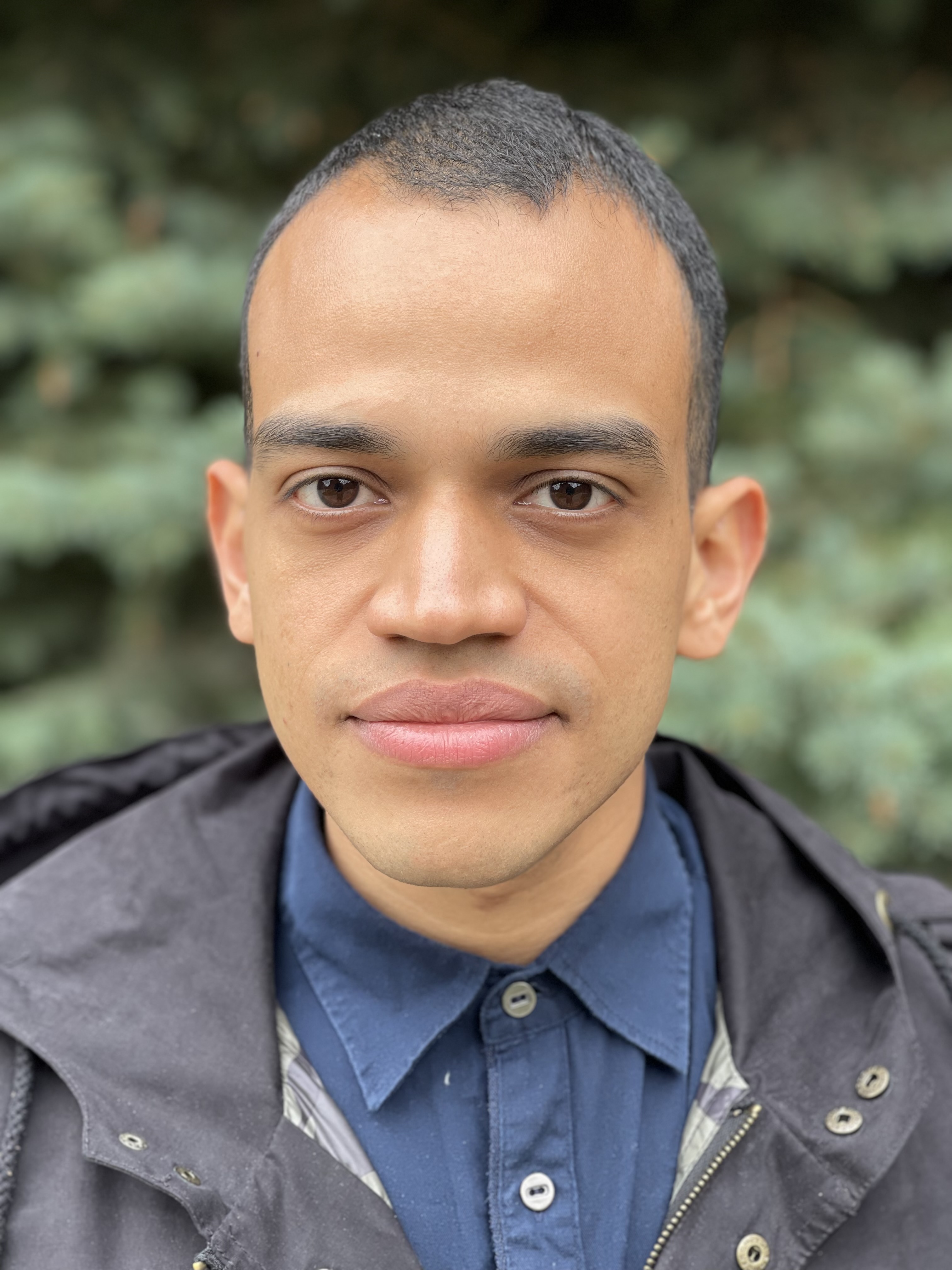
Postdoctoral Research Fellow
I am a Postdoctoral Research Fellow at the University of Idaho, Department of Mathematics and Statistical Science, in the SMID Lab under the supervision of Prof. Esteban Hernandez-Vargas. Previously, I obtained my Ph.D. in Mathematical Engineering from the Universidad Nacional del Litoral, Argentina, where I worked on the design of predictive controllers for hybrid systems with applications to socio-biomedical processes, under the supervision of Prof. Alejandro H. Gonzalez.
I am currently seeking postdoctoral appointments for the next academic year, starting around August 2026. Please feel free to get in touch if you are interested in my research!
- Name: Juan Esteban Sereno Mesa
- Title: Postdoctoral Research Fellow
- E-mail: jserenom@uidaho.edu
- Institution: University of Idaho
- Google Scholar: Click here
- ORCID: 0000-0002-8498-1277
- Location: Moscow, Idaho, USA
- Nationality: Colombian
Research Interests
My research interests include Mathematical Modelling, Model Predictive Control (MPC), Adaptive Control, Nonlinear Mixed-Integer Optimization, Infectious Diseases, Diabetes, and Digital Twins. I focus on designing advanced control strategies for biomedical and epidemiological systems, combining theoretical rigor with practical applicability.
I am open to research discussion and collaboration. Please feel free to reach out!
News
- 2025: New paper published - "Iterative calibration of medical digital twins via adaptive estimators" in Frontiers in Applied Mathematics and Statistics
- 2025: New paper published - "Time-Constrained MPC approach for switched nonlinear systems" in IEEE Control Systems Letters
- 2025: Paper accepted at the 64th IEEE Conference on Decision and Control (CDC), Rio de Janeiro, Brazil - "Adaptive Observers for Calibrating Immune Digital Twins in Viral Infections"
- 09/2024: Started Postdoctoral Research Fellow position at the University of Idaho, SMID Lab
- 2024: Completed Ph.D. in Mathematical Engineering at Universidad Nacional del Litoral, Argentina
- 2023: Paper published - "Switched NMPC for epidemiological and social-economic control objectives in SIR-type systems" in Annual Reviews in Control
- 2022: Paper published - "Minimizing the epidemic final size while containing the infected peak prevalence in SIR systems" in Automatica
Biography
Education
Ph.D. in Mathematical Engineering
2018 - 2024
Universidad Nacional del Litoral, Facultad de Ingeniería Química, Argentina
Thesis: "Design of Predictive Controllers for Hybrid Systems: Application to Socio-Biomedical Processes"
Advisor: Prof. Alejandro Hernán González
M.Sc. in Engineering - Industrial Automation
2017 - 2021
Universidad Nacional de Colombia, Facultad de Minas, Colombia
Thesis: "Automatic Personalization of Glycemic Control Strategies for Patients with Type 1 Diabetes Mellitus"
Advisor: Prof. P. S. Rivadeneira
B.E. in Control Engineering
2012 - 2017
Universidad Nacional de Colombia, Facultad de Minas, Colombia
Final Project: "Glycemic Control in Patients with Type 1 Diabetes Mellitus"
Advisor: Prof. P. S. Rivadeneira
Academic Appointments
Postdoctoral Research Fellow
Sep 2024 - Present
University of Idaho, Moscow, Idaho, USA
Advisor: Prof. Esteban Hernandez-Vargas
Research areas: Adaptive Digital Twins for personalized medicine. In the SMID Lab, Department of Mathematics and Statistical Science.
Doctoral Scholarship Researcher
Apr 2018 - Apr 2024
Universidad Nacional del Litoral / INTEC-CONICET, Santa Fe, Argentina
Advisor: Prof. Alejandro H. González
Research areas: MPC controllers for switched systems adapted to epidemiological outbreak scenarios. Dynamical System and Control Group.
Teaching Experience
Teaching Assistant - Mathematics A
2022 - 2024
Universidad Nacional del Litoral, Facultad de Ingeniería Química
Teaching Assistant - Analog Electronics II
2014 - 2015
Universidad Nacional de Colombia, Facultad de Minas
Awards
Doctoral Internal Scholarship
2018
CONICET - National Council of Scientific and Technical Research, Argentina
First Place - Area of Suitable Technologies
2017

National Competition of Best Final Degree Projects Otto de Greiff, 21st edition, Bogotá, Colombia
Best Final Degree Project
2017
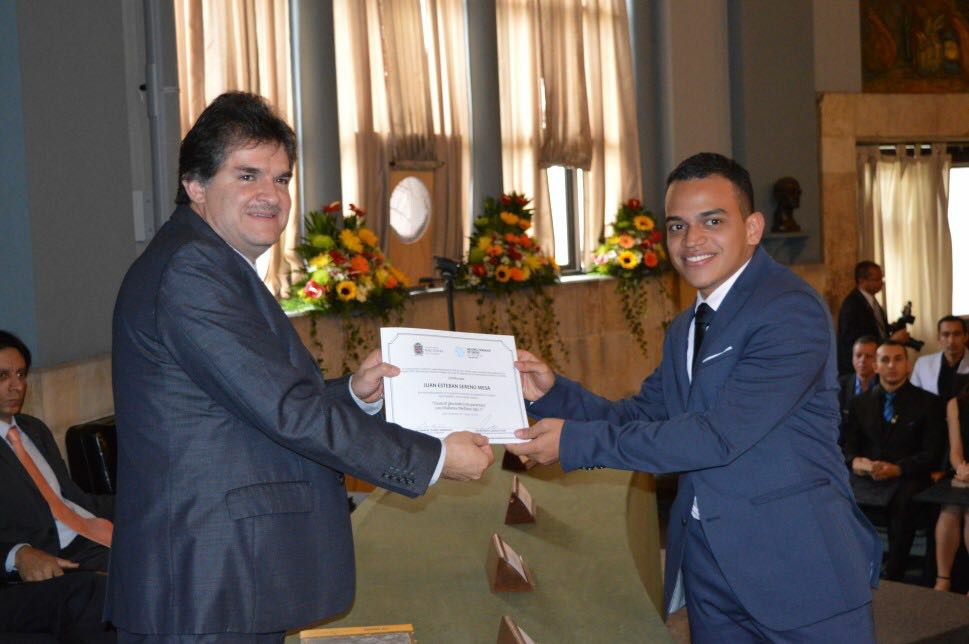
Universidad Nacional de Colombia, Medellín campus, School of Mines
Selected Research
Adaptive Digital Twins for Personalized Medicine
My current research focuses on developing adaptive digital twins for personalized medicine, combining mathematical modelling with adaptive estimation techniques. We develop iterative calibration methods for medical digital twins using adaptive estimators, enabling the personalization of treatment strategies based on individual patient data. This work bridges the gap between theoretical control systems and practical biomedical applications, particularly in the context of viral infections and immune system dynamics.
Related Publications:
Model Predictive Control for Switched Nonlinear Systems
A core part of my research involves the design of MPC controllers for switched nonlinear systems with applications to biomedical problems. I developed time-constrained MPC approaches that handle the complexities of switched systems. These methods have been successfully applied to epidemiological outbreak control, including the design of optimal social distancing measures and vaccination strategies for SIR-type systems.
Related Publications:
Epidemic Control and Optimal Intervention Strategies
I have worked extensively on the mathematical modeling and control of epidemic outbreaks, including the design of optimal social distancing policies and switched control strategies. My research addresses the challenge of balancing public health objectives with socio-economic considerations during epidemic scenarios. Key contributions include methods for minimizing the epidemic final size while constraining the infected peak, and switched NMPC approaches that jointly optimize epidemiological and economic objectives.
Related Publications:
Artificial Pancreas and Glycemic Control
My earlier research focused on glycemic control strategies for patients with Type 1 Diabetes Mellitus, including meal detection algorithms, carbohydrate estimation, and the design of artificial pancreas systems. This work combined feedback control schemes with biomedical signal processing to develop personalized control strategies for insulin delivery, addressing challenges such as circadian variability and patient-specific parameter tuning.
Related Publications:
Talks
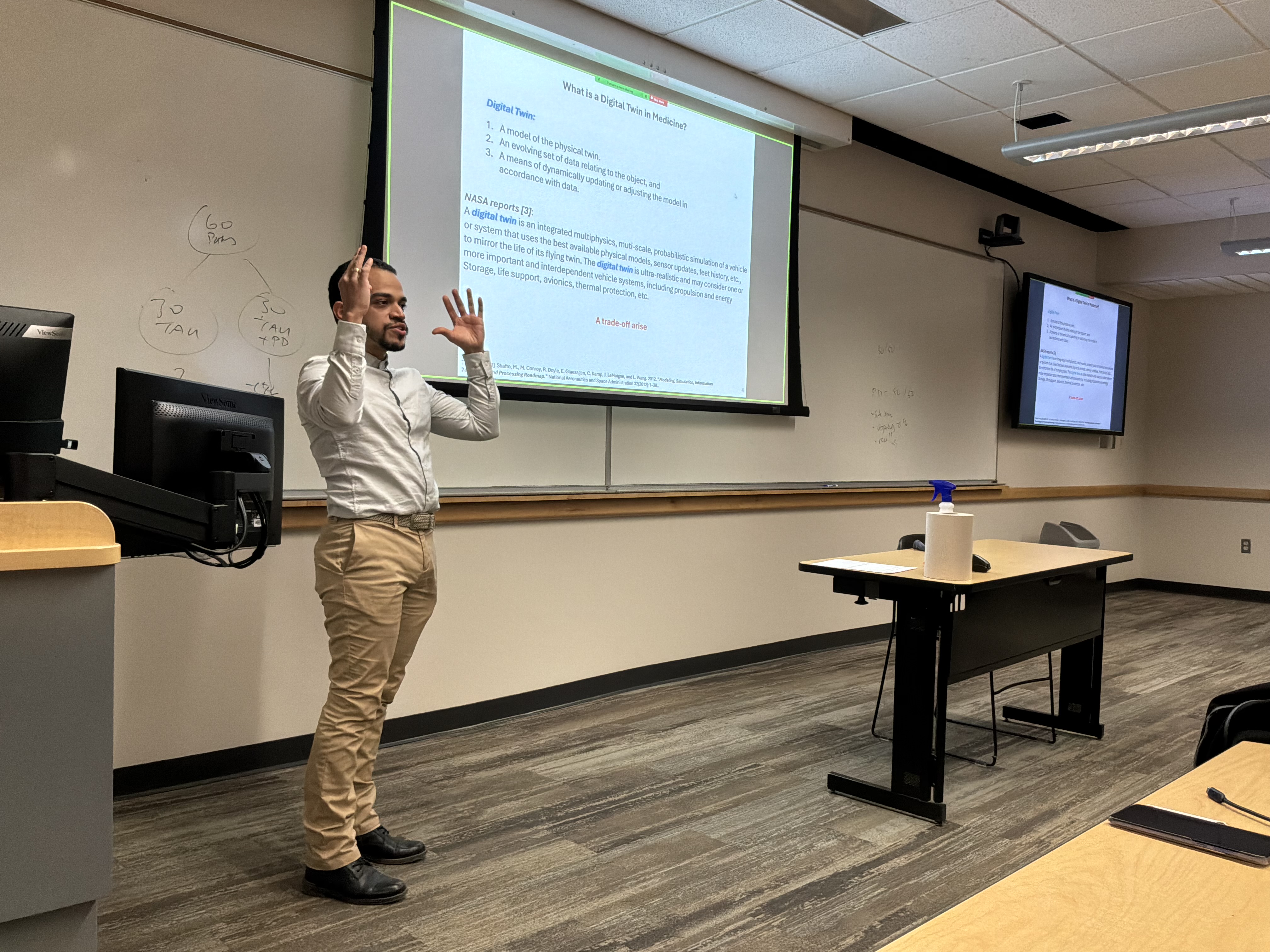
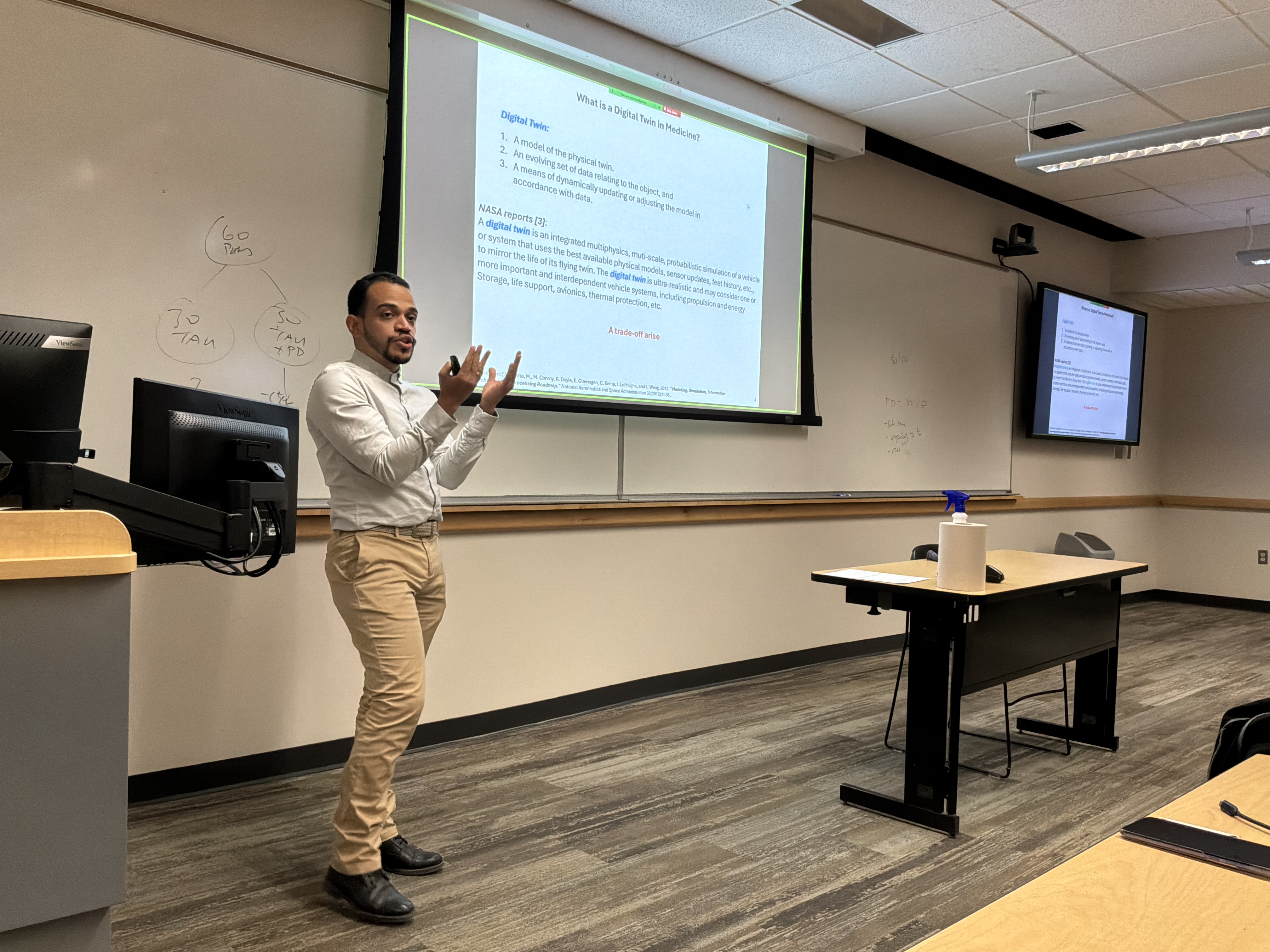
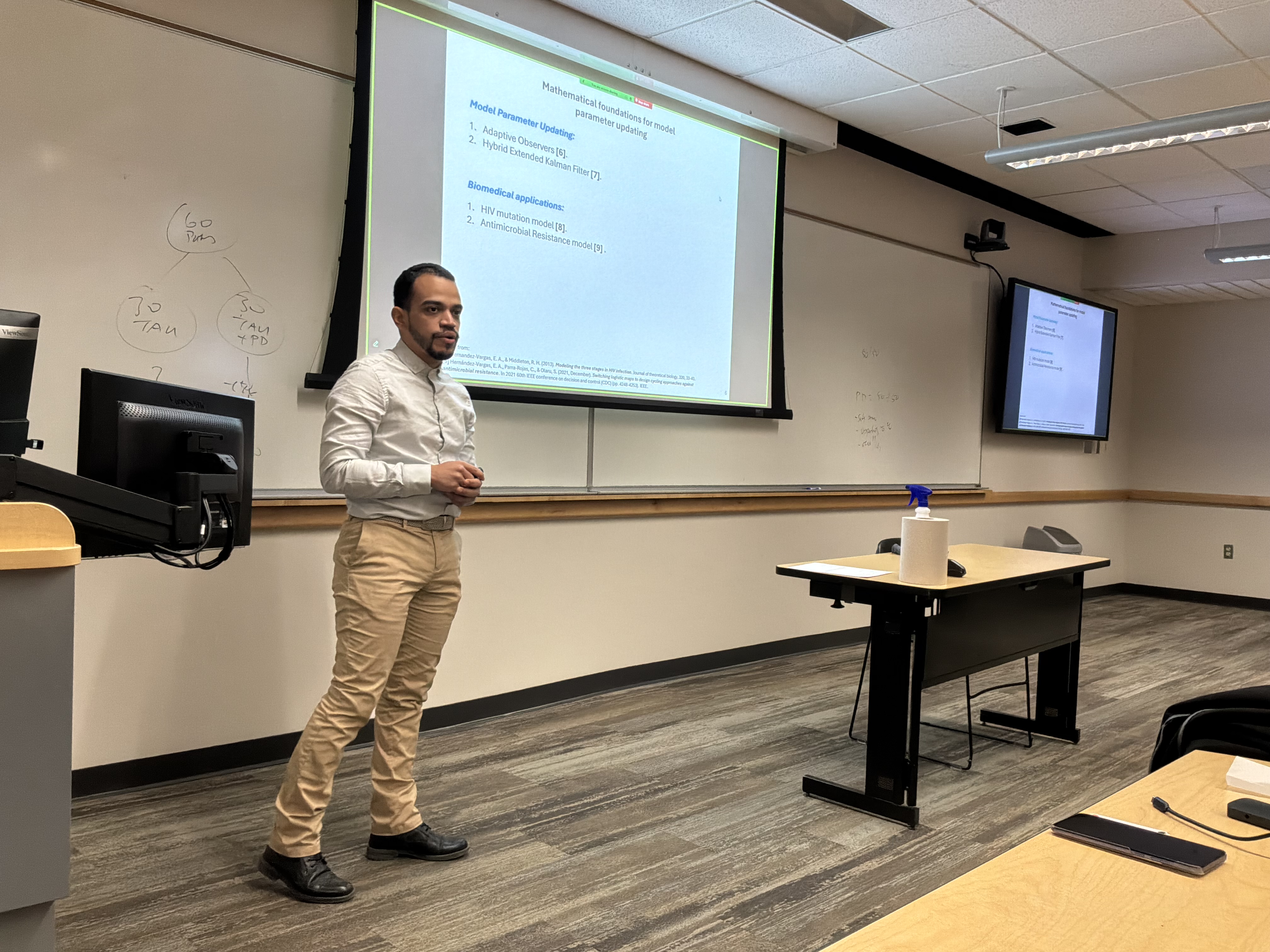
Parameter Inference in Immune Digital Twins: A Stochastic Adaptive Filtering Approach
The Digital Twin paradigm relies on three fundamentals: a mechanistic software replica, longitudinal object-specific data, and a dynamic inference framework to iteratively update the model. While the potential for personalized medicine is substantial, the inherent stochasticity of the immune response makes the iterative parameter inference a sweeping task. Here, we present a data-driven framework for the iterative updating of immune digital twins using stochastic adaptive filters.
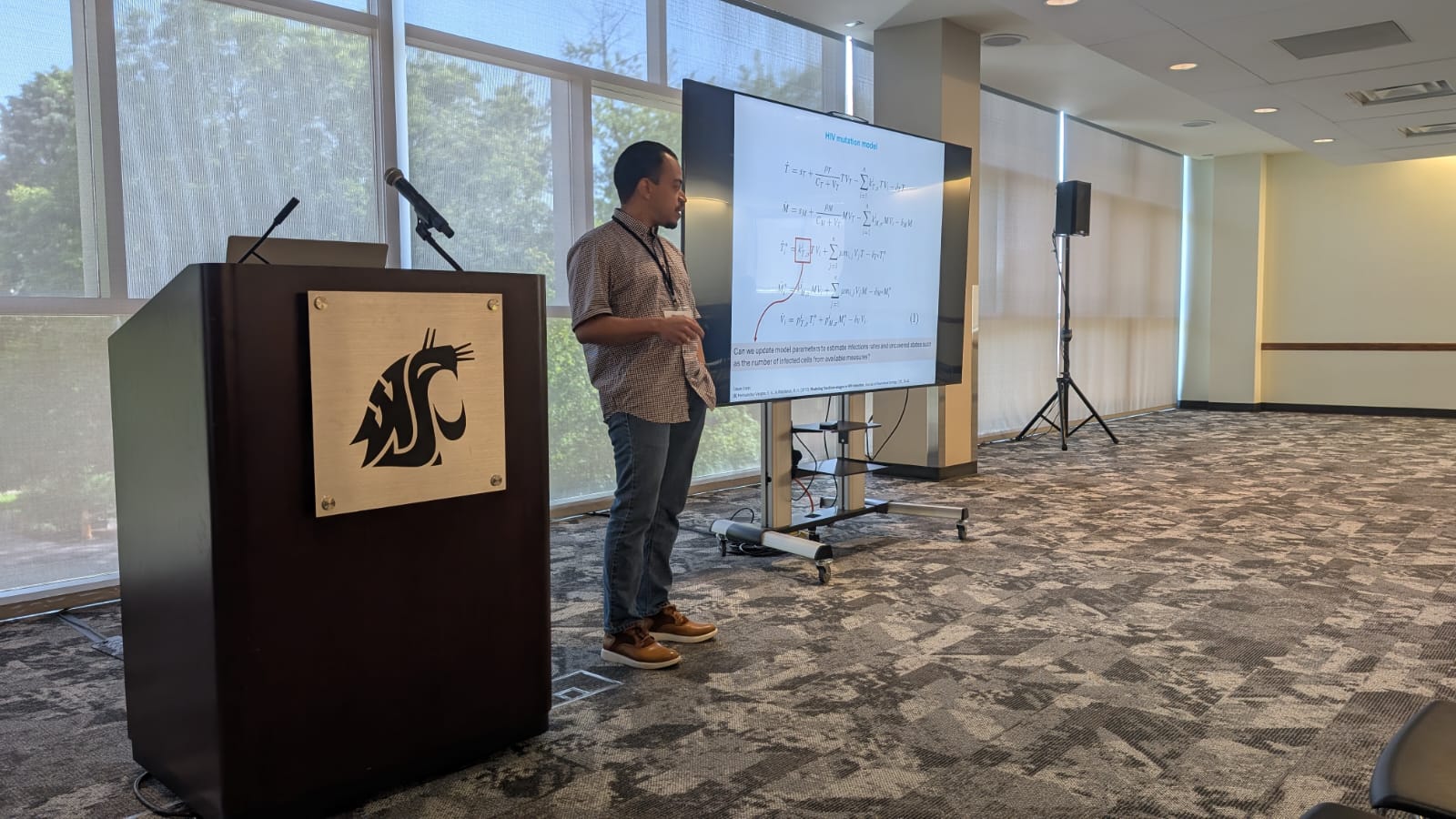
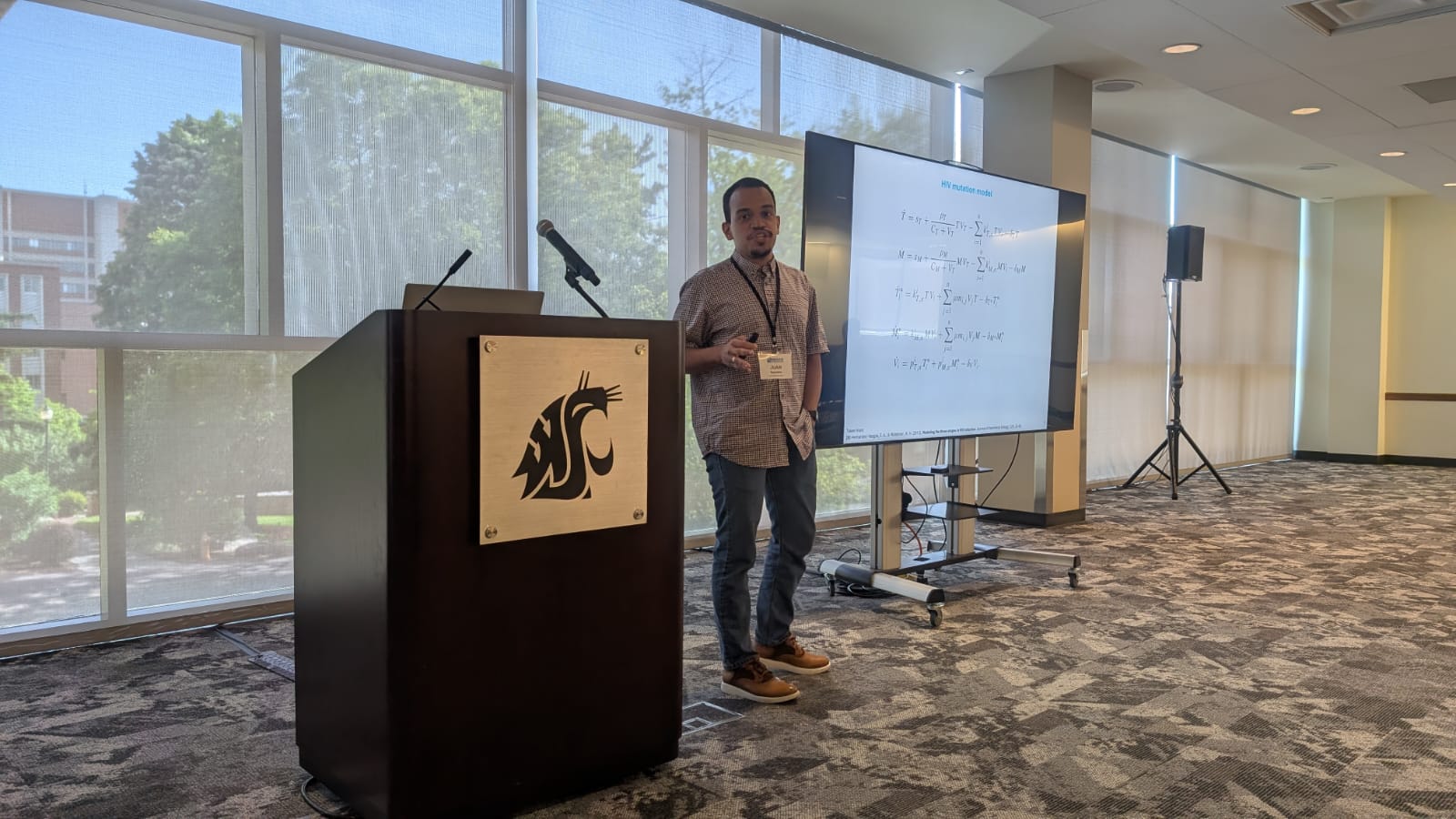
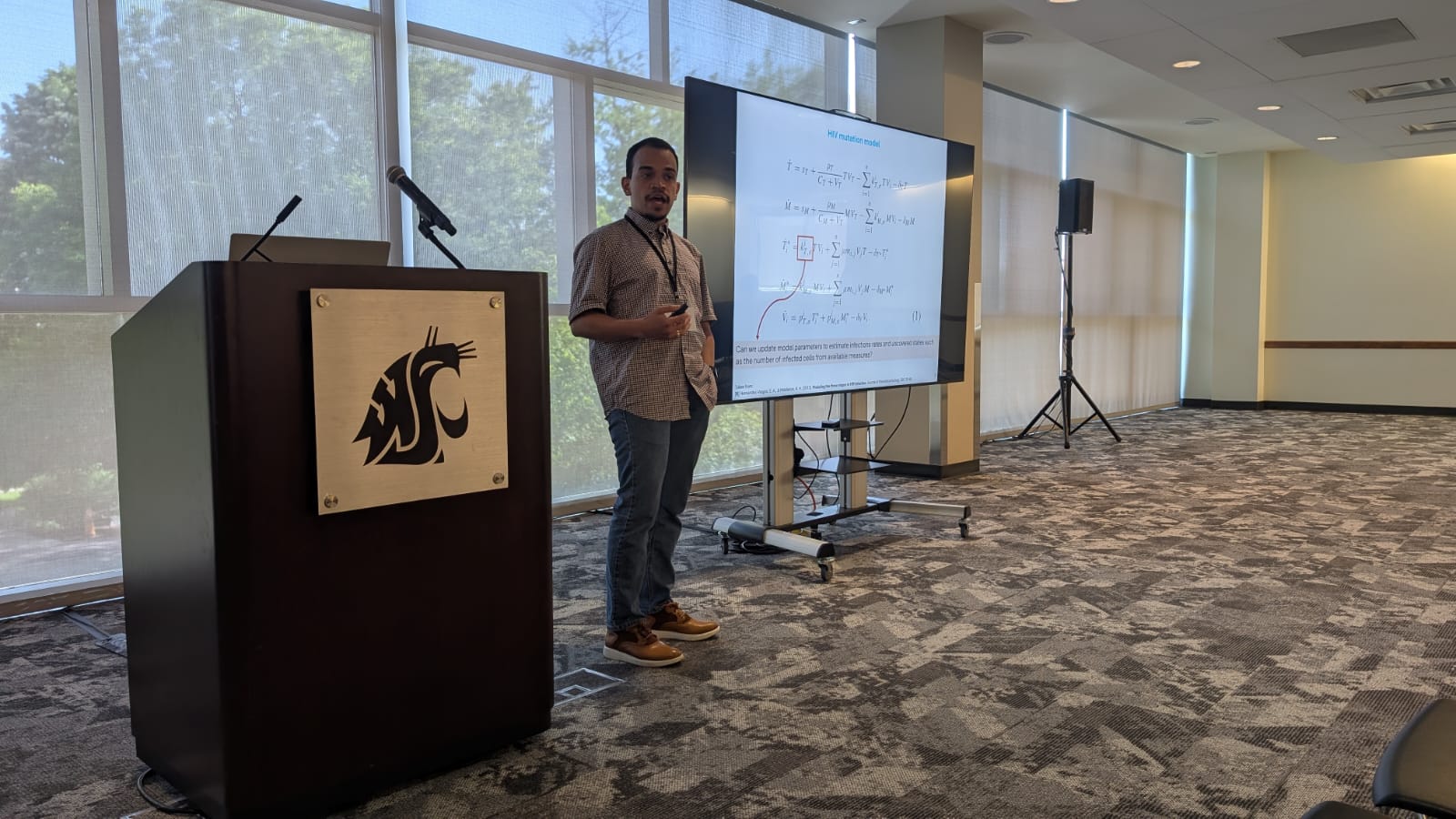
Adaptive Observers for Medical Digital Twins: A Framework for Personalized Medicine
In this colloquium I presented preliminarily results of my current work on adaptive observers applied to medical digital twins, enabling virtual replicas of patients to continuously synchronize with real-time physiological data. Unlike traditional batch-based identification algorithms, this approach uses adaptive observers to jointly estimate unmeasurable states and monitor critical biological markers. Applications include predicting HIV trajectories and tracking antimicrobial resistance in personalized medicine.
Understanding SIR-type epidemic behaviors through set-based dynamic analysis
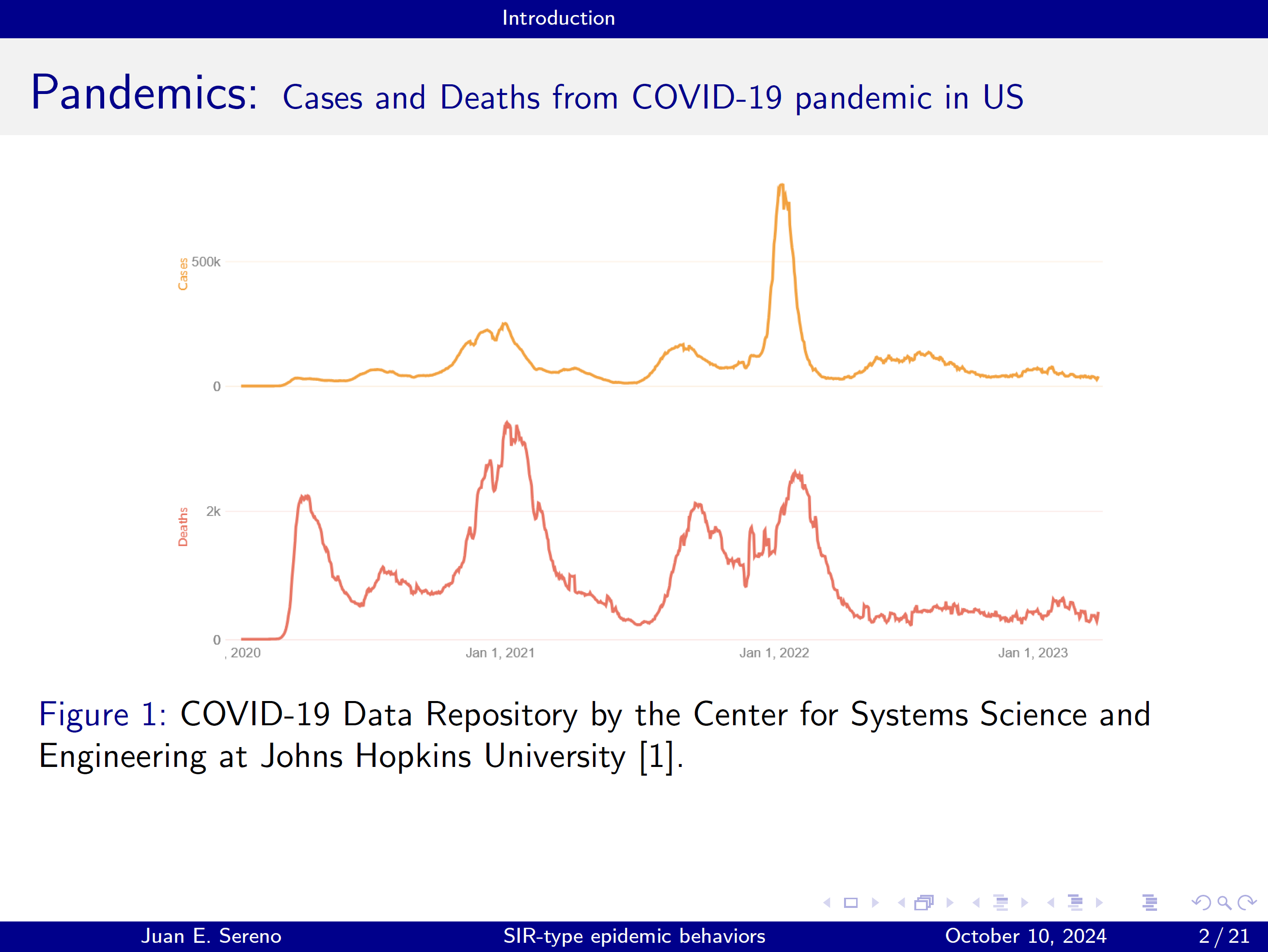
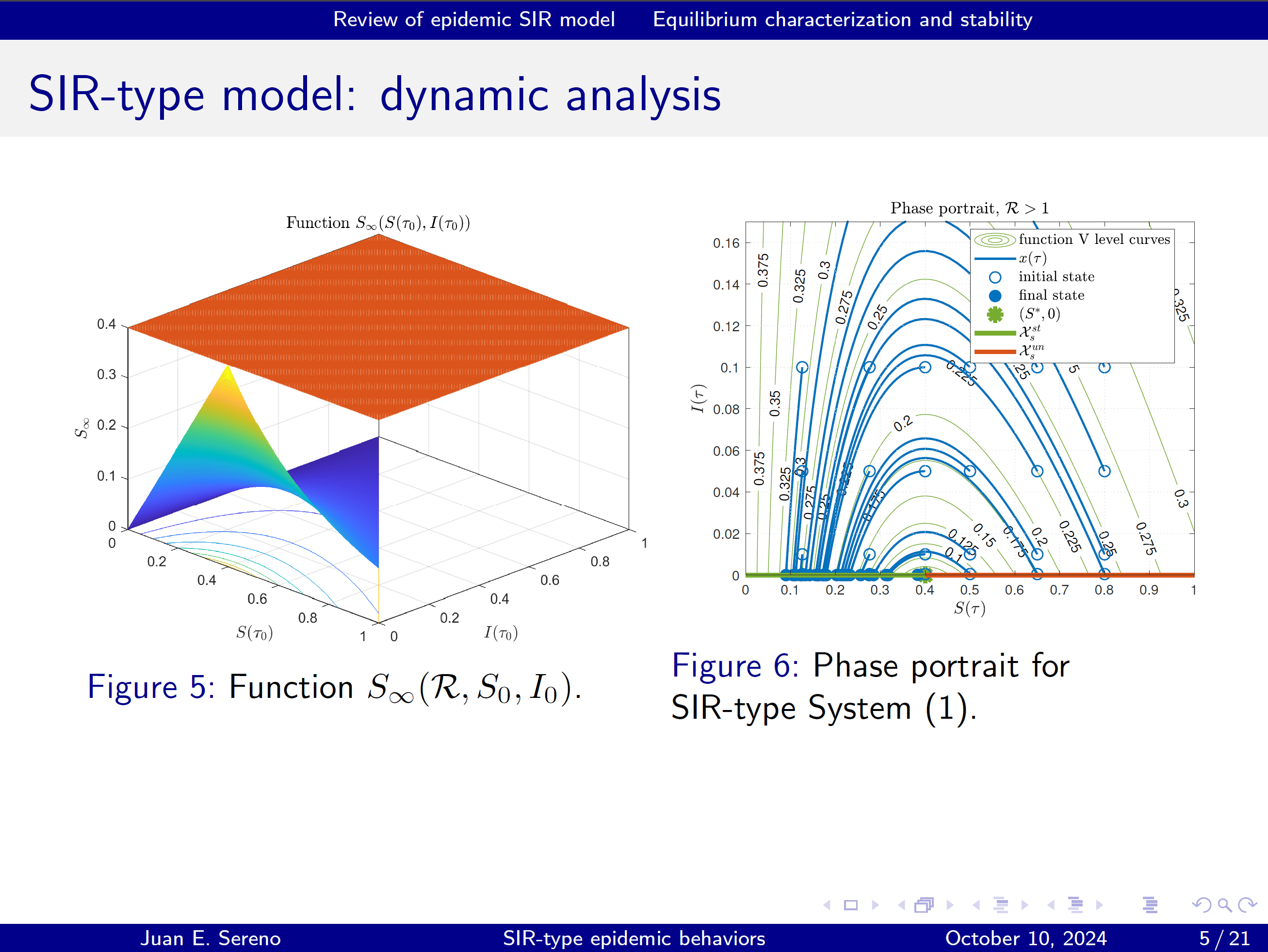
In this talk I presented my PhD results at the University of Idaho: A set-based dynamic analysis of SIR-type systems to discuss realistic implementation of finite-time interval social distancing measures. The work focuses on minimizing the Epidemic Final Size while keeping the Infected Peak Prevalence controlled at any time, while minimizing the intervention's side effects.
Publications
Journal Articles
Book Chapters
Conference Papers
Academic Service
Research Projects
- PICT 2022, Nro. 2021-I-A-00544 (2022-2024): Mathematical modeling and control of tuberculosis in Argentina. Funded by ANPCYT. Role: Doctoral Student.
- PIP 2021, KE3 Nro. 112-2020010-2555-CO (2021-2024): Mathematical modeling and control of the COVID-19 pandemic in Argentina. Funded by CONICET. Role: Doctoral Student.
- PICT 2019, Nro. 2019-01794 (2019-2024): Design of economic MPC strategies for tracking time-varying trajectories. Funded by ANPCYT. Role: Doctoral Student.